Three questions come up before almost every first lesson: how old do I have to be, do I need a provisional licence first, and do I have to pass the theory test before I can drive? Here are the answers, then what the first lesson actually looks like and what to sort out before it.
When you can start
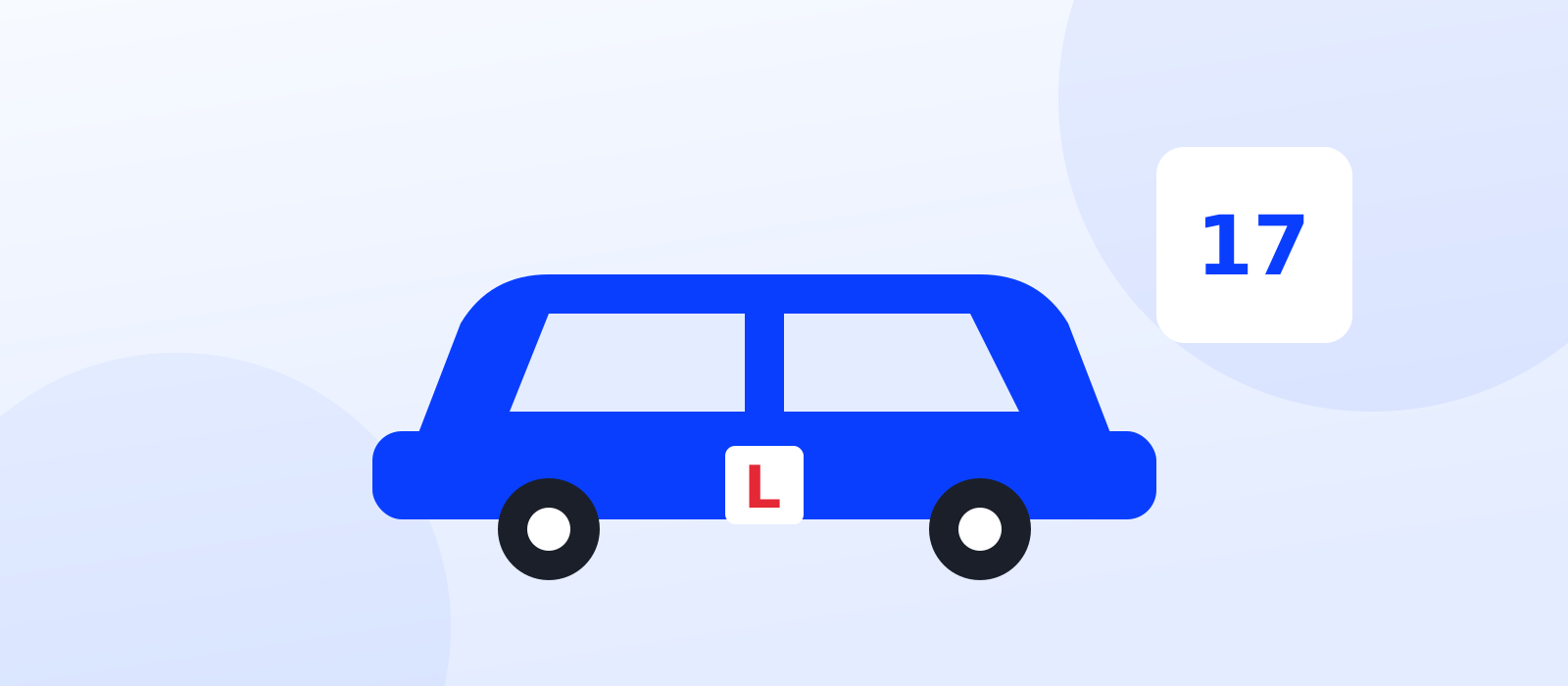
You can take driving lessons in a car from your 17th birthday. If you get, or have applied for, the enhanced rate of the mobility part of PIP, you can start at 16.
You can apply for the provisional licence earlier, from 15 years and 9 months, so that it arrives in time. Many people apply the month before their birthday.
Do you need a provisional licence first?
Yes. An instructor cannot legally take you on a public road without one, and most will ask to see it before the first lesson. There is no way round this; a lesson on private land is possible but it is not what most learners want to pay for.
Apply online at GOV.UK. It costs £34 at the time of writing (£43 by post) and usually arrives within a week or two. You will need proof of identity, your National Insurance number and the addresses you have lived at for three years. Once it arrives, keep it somewhere you can find it, because you need it for the theory test, the practical, and any instructor who asks.
Do you need the theory test first?
No. You can start lessons the day the provisional arrives, and many instructors prefer it that way: the hazard perception part of the theory test makes more sense once you have been behind the wheel.
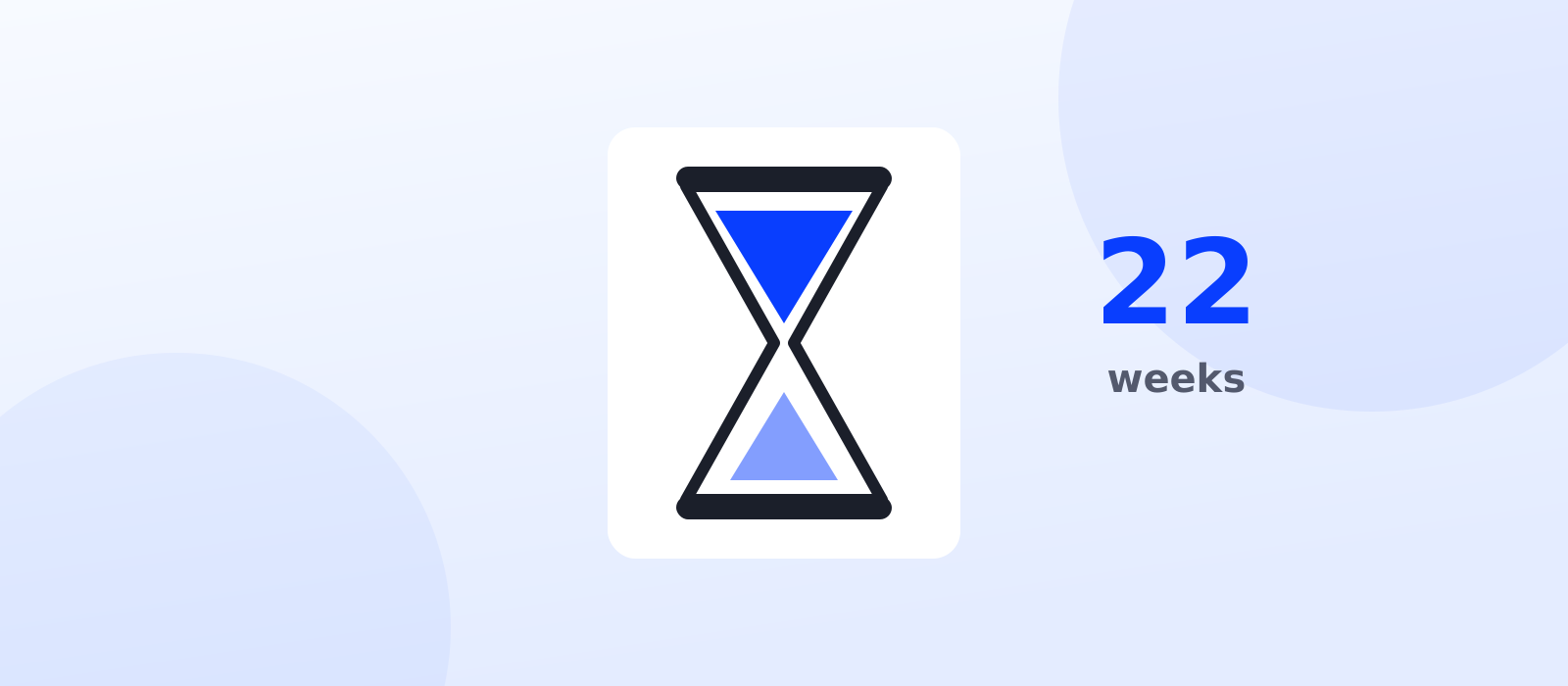
What you do need is the theory pass before you can book the practical test. With practical waiting times of several months in most of the country, that means the theory should not wait. Book it for six to eight weeks after your first lesson and start the apps now. It costs £23 and is 50 multiple-choice questions plus the hazard perception clips. Most people pass it with two or three weeks of regular practice.
What the first lesson is like
Most instructors pick you up at home. The first ten or fifteen minutes are a conversation: what you want, whether you have driven before, whether you want manual or automatic, and a look at your licence.
Then the instructor drives you to a quiet road and you swap seats. You go through the cockpit drill (seat, mirrors, seatbelt), the controls, and what the pedals do. Then you move off, drive a few hundred metres, and stop. You do that several times. In a manual you will probably stall; everyone does. By the end of the first hour most people have driven a short stretch of quiet road and changed gear once or twice, and that is the whole aim.
Nobody is assessing you. The instructor is working out how you learn and what to start with next time.
Manual or automatic?
Decide this before the first lesson, because it is a different car. Automatic is faster to learn and is what five in six learners who state a preference on Servicedrome now ask for; the licence only covers automatics. Manual takes longer and covers both. The full comparison is in manual vs automatic driving lessons. If you are unsure, take the first lesson in the one you think you will drive afterwards.
Finding the instructor
A good first instructor is one who covers your area and your likely test centre, has reviews, and has a slot at a time you can keep every week. In London, instructors are listed by borough, so you can start with the ones already teaching in Islington or Hackney rather than hoping someone across the city will travel. Our guide to choosing a driving instructor covers what to ask.
If you post a lesson request on Servicedrome, say which transmission you want, roughly when you are free, and your budget. Instructors who cover your area reply with a price, and half of all requests get a first reply within about a quarter of an hour.
The week before
- Provisional licence in your pocket, not in the post.
- Glasses or lenses if you need them. You have to read a number plate from 20 metres, and the instructor will check.
- Flat shoes. Not boots, not heels, not flip-flops.
- A two-hour slot if you can manage it. The first lesson is often one hour, but a weekly two-hour lesson afterwards is what gets most learners through in fewer hours; see how many lessons you need.
- Something to eat beforehand. Concentrating for an hour on an empty stomach is harder than it sounds.
- The theory test booked. Not passed; booked.
Licence and test fees are the DVLA's and DVSA's at the time of writing, listed on GOV.UK. The reply-time figure is from lesson requests posted on Servicedrome in the six months to November 2026.