"Become a driving instructor" is the most searched instructor-side query in the UK by some distance, and most of the pages answering it are written by the companies that sell the training. This one is not. It sets out what the process costs and how long it takes, and then the part the brochures leave out: what happens on the day you qualify.
Who can apply
You need to have held a full UK or EU car licence for at least three years, be over 21, and pass an enhanced DBS check. Certain motoring convictions rule you out. Those are the only hard requirements; there is no qualification needed beyond the licence, and no upper age.
The three tests
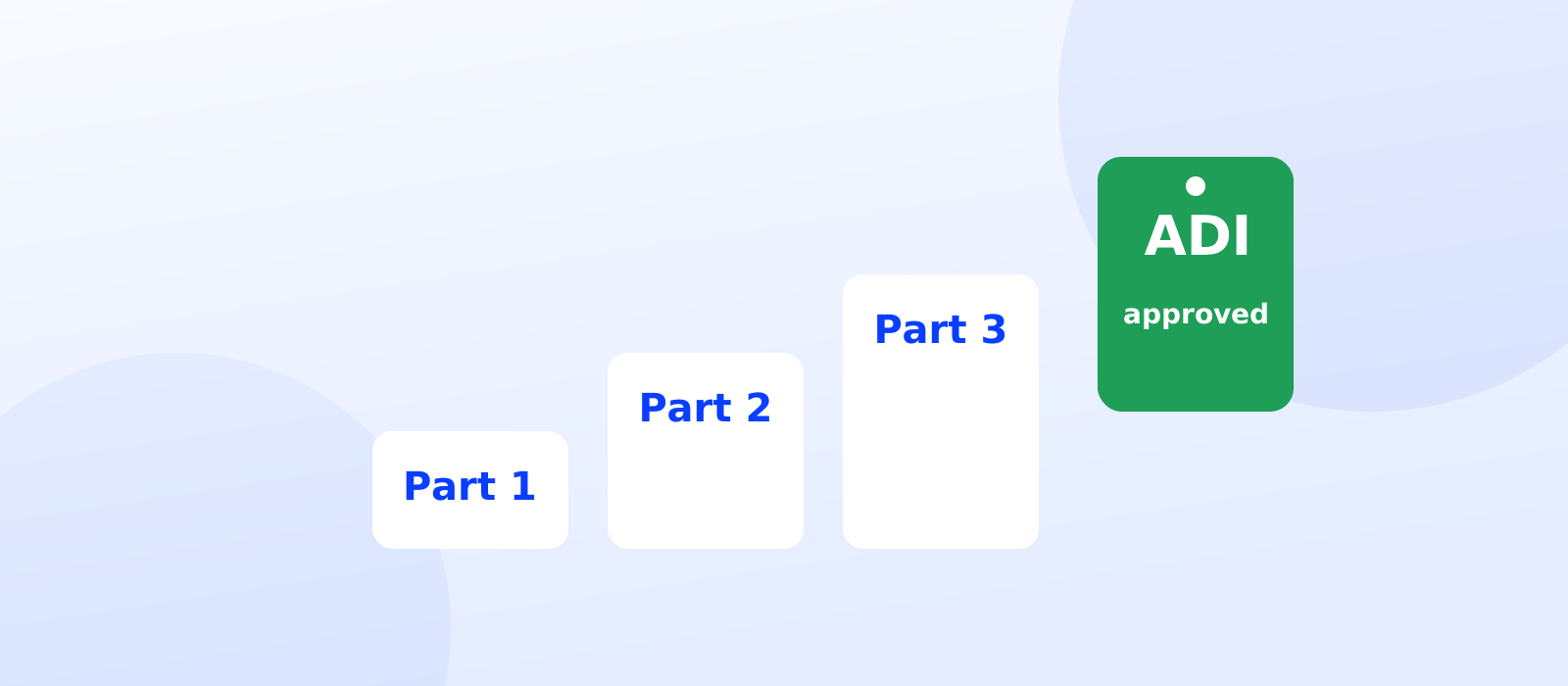
Qualifying means passing three DVSA tests, in order.
Part 1, theory. A 100-question multiple-choice test with a hazard perception section, sat at a theory test centre. The fee is £81 at the time of writing. Most people pass it with a few weeks of study, and you can retake it as often as you need.
Part 2, driving ability. An hour-long advanced driving test with an eyesight check and show-me-tell-me questions. The fee is £111. The standard is a lot higher than the learner test: you are allowed six minor faults, no serious ones, and examiners expect commentary-standard driving. This is the test most candidates underestimate.
Part 3, instructional ability. You teach a real lesson to a real pupil, with an examiner in the back assessing how you teach. The fee is £111. It is marked on the same framework as the standards check you will sit every few years once qualified.
You get three attempts at Part 2 and three at Part 3. Fail three times at either and you wait two years from the date you passed Part 1 before you can start again. You also have two years from passing Part 1 to pass both the others, which matters if life gets in the way.
The trainee licence
Once you have passed Part 2 and done at least 40 hours of training with a qualified instructor, you can apply for a trainee licence, the pink badge, for £140. It lets you teach paying pupils for six months while you prepare for Part 3. Most people use it; it is how you get the teaching hours Part 3 needs, and it is the first money you earn.
The rules attached to it are specific: you must either do a further 20 hours of training within three months, or be supervised for a fifth of your lesson time. Both are workable; the first is what most trainees choose.
What it costs
| Item | Cost at the time of writing |
|---|---|
| Part 1 test | £81 |
| Part 2 test | £111 |
| Part 3 test | £111 |
| Trainee licence | £140 |
| First ADI badge (then £300 every four years) | £300 |
| DBS check | about £50 |
| Training | £2,000 to £4,000 |
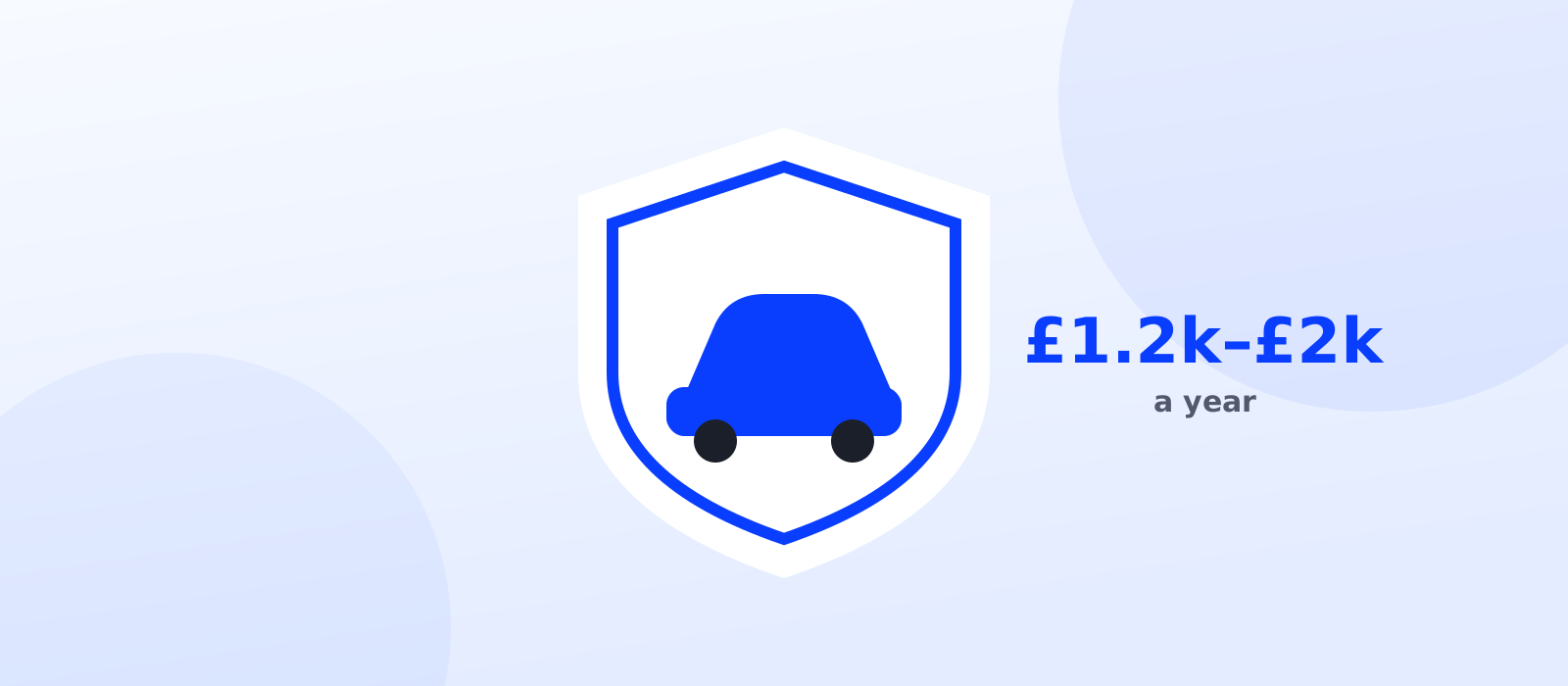
| Total | £2,800 to £4,800 |
Training is the big line and the one with the widest range. The national schools bundle it with a franchise and sometimes a "money back" offer that pays out in stages over one to two years once you sign up with them; read those terms twice. Independent trainers charge by the hour, typically £35 to £50, and a realistic course is 40 to 60 hours across Parts 2 and 3.
Add a test car. For Parts 2 and 3 you need a suitable manual car with a working set of controls; for Part 3 it needs dual controls. Most trainees hire one by the day for the tests, then lease once they have the pink badge.
How long it takes
Six months is possible if you train full time and pass everything first go. Twelve to eighteen months is more typical: a couple of months for Part 1, three to six to get Part 2 to standard, then the trainee period and Part 3. Plan for a year and be pleased if it is quicker.
The part nobody puts in the brochure
On the day the green badge arrives, three things are true: you are qualified, you are allowed to charge whatever you like, and nobody knows you exist.
The training companies solve this with a franchise. You pay them £150 to £250 a week and they send you pupils from their marketing. It works, and for a trainee it is often the right choice for the first year, but it is a cost of being available, not of teaching, and it is due in the empty weeks. We set the sum out in franchise or independent and the income you can expect either way in how much driving instructors earn.
The alternative is to go independent from the start and find pupils yourself: a Google Business listing, a car livery, word of mouth, and lead marketplaces where learners post what they want and you reply with a price. That is what Servicedrome is. Joining is free and comes with 70 credits, enough to reply to four or five learners before you spend anything, and the pink-badge months are a good time to start: a trainee with a sensible price and a quick reply gets chosen, and the pupils you teach then become the reviews that let you charge more later. The step-by-step is in how to get pupils as a newly qualified instructor.
Where you teach matters too. In London demand runs year-round; the boroughs with the most lesson requests on Servicedrome in the last three months were Islington, Camden and Westminster, and automatic lessons are the bulk of it. A new instructor choosing a car should know that before signing a lease.
A realistic plan
- Month 1 to 2. Apply to the register, do the DBS, pass Part 1.
- Month 2 to 6. Train for Part 2. Drive like you are being examined every time you get in a car.
- Month 6. Pass Part 2, finish the 40 hours, apply for the trainee licence. Set up your Google listing and your Servicedrome profile the same week.
- Month 6 to 12. Teach on the pink badge, train for Part 3, take your first pupils through to their tests. Ask every one who passes for a review.
- Month 12. Pass Part 3. Decide, with a year of real numbers in front of you, whether a franchise is worth it.
Test and licence fees are the DVSA's at the time of writing and are listed on GOV.UK; check there before budgeting. Training costs are the ranges providers advertise and vary by region.